Understanding Heavy Equipment Moving Safety Protocols
Heavy equipment moving safety protocols are essential guidelines that ensure the safe transportation of machinery. These protocols encompass various practices designed to minimize risks associated with lifting, transporting, and setting up heavy equipment. Adhering to these protocols not only protects workers but also safeguards the machinery and surrounding environment.
For instance, the use of proper personal protective equipment (PPE) such as helmets, gloves, and steel-toed boots is a fundamental aspect of safety protocols. Additionally, conducting risk assessments before commencing any moving operation allows teams to identify potential hazards and implement appropriate measures, ensuring a safer working environment.
Key Safety Measures for Heavy Equipment Lifting
When lifting heavy equipment, specific safety measures must be followed to prevent accidents and injuries. These measures include ensuring that all lifting equipment is regularly inspected and maintained, as well as training operators on the correct use of lifting gear. Proper communication among team members during lifting operations is also critical for safety.
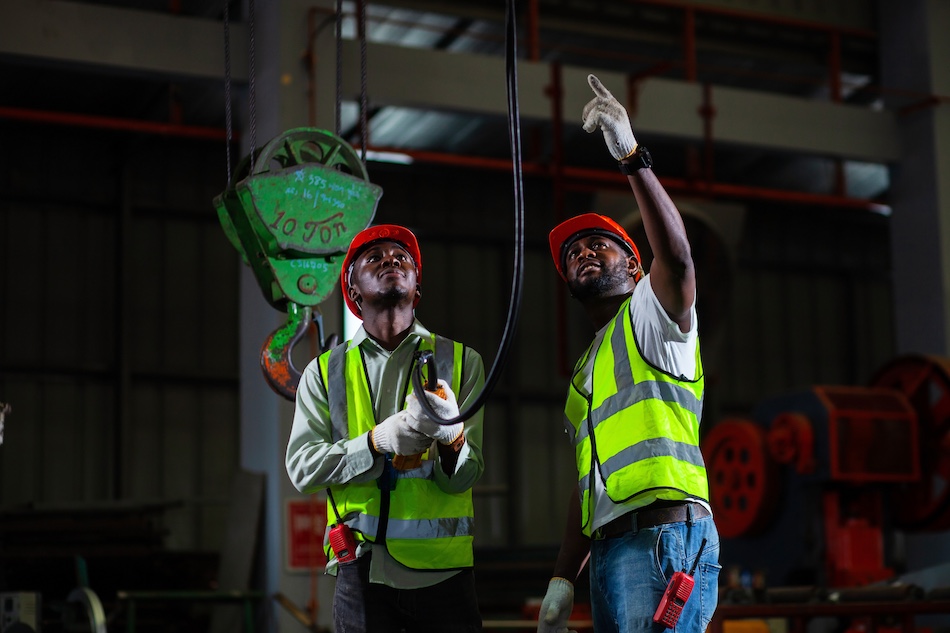
For example, utilizing spotters to guide the lifting process can help avoid obstacles and ensure that the load is moved safely. Furthermore, employing the right lifting techniques, such as maintaining a stable center of gravity and using appropriate rigging methods, significantly reduces the risk of equipment failure or accidents during the lift.
Types of Rigging Equipment and Their Importance
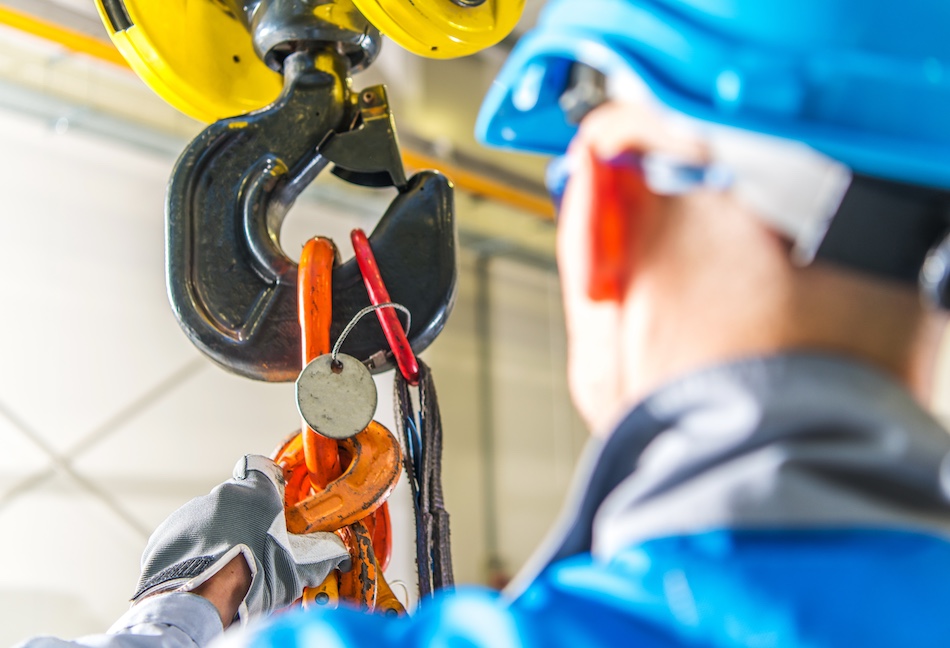
Rigging equipment is vital in the heavy machinery moving industry, as it provides the necessary support and security for lifting and transporting heavy loads. Understanding the different types of rigging equipment, such as slings, shackles, and hoists, is crucial for ensuring safe lifting practices. Each type of rigging equipment has specific applications and weight limits, which must be adhered to for safety.
For example, synthetic slings are lightweight and flexible, making them ideal for certain lifting tasks, while chain slings offer higher strength for heavier loads. Choosing the appropriate rigging equipment not only enhances safety but also improves efficiency in moving operations, allowing for smoother and more controlled lifting processes.
Training and Certification for Heavy Equipment Movers
Proper training and certification for heavy equipment movers are essential components of a safe working environment. Training programs equip workers with the knowledge and skills necessary to operate heavy machinery safely and effectively. Certification ensures that operators meet industry standards and regulations, fostering a culture of safety within the organization.
Incorporating regular training sessions and refreshers helps keep the team updated on the latest safety protocols and equipment handling techniques. Additionally, certifications from recognized organizations provide credibility and assurance to clients that the movers are qualified to handle their heavy equipment safely and professionally.